

Create Space to Think
Build Your Japandi Office
Tools for a More Intentional Workspace
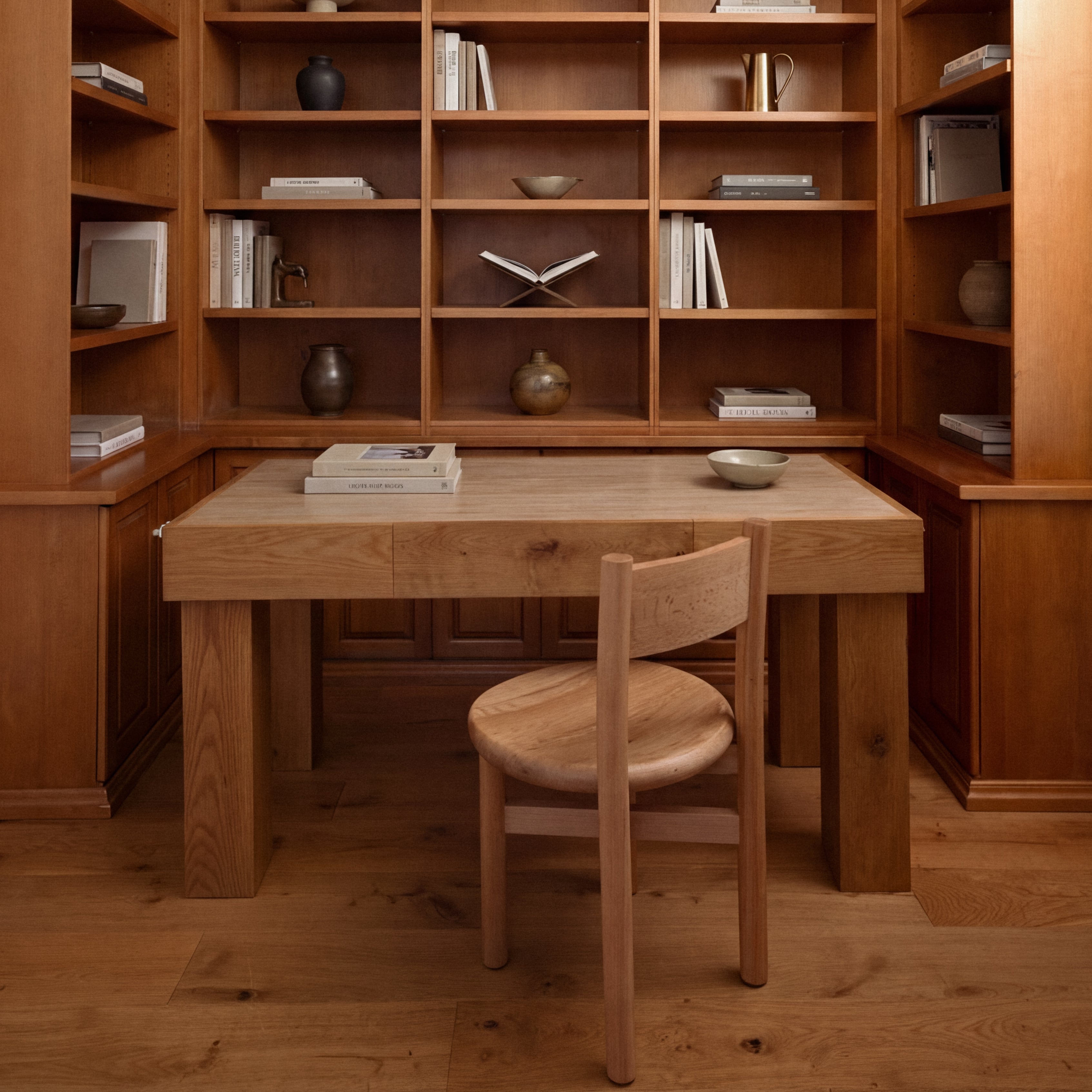

A space designed for clarity, focus, and calm.
The Japandi office blends Japanese restraint with Scandinavian functionality—creating an environment that supports deep work without visual distraction. Thoughtful furniture, quiet materials, and intentional organization help reduce mental clutter and make room for better thinking. Inspiring office space shown above by CondeHouse showcasing the DARBY Chair.
Build with purpose. Keep only what supports your work.
Let the rest fall away.
Sorry, there are no products in this collection.
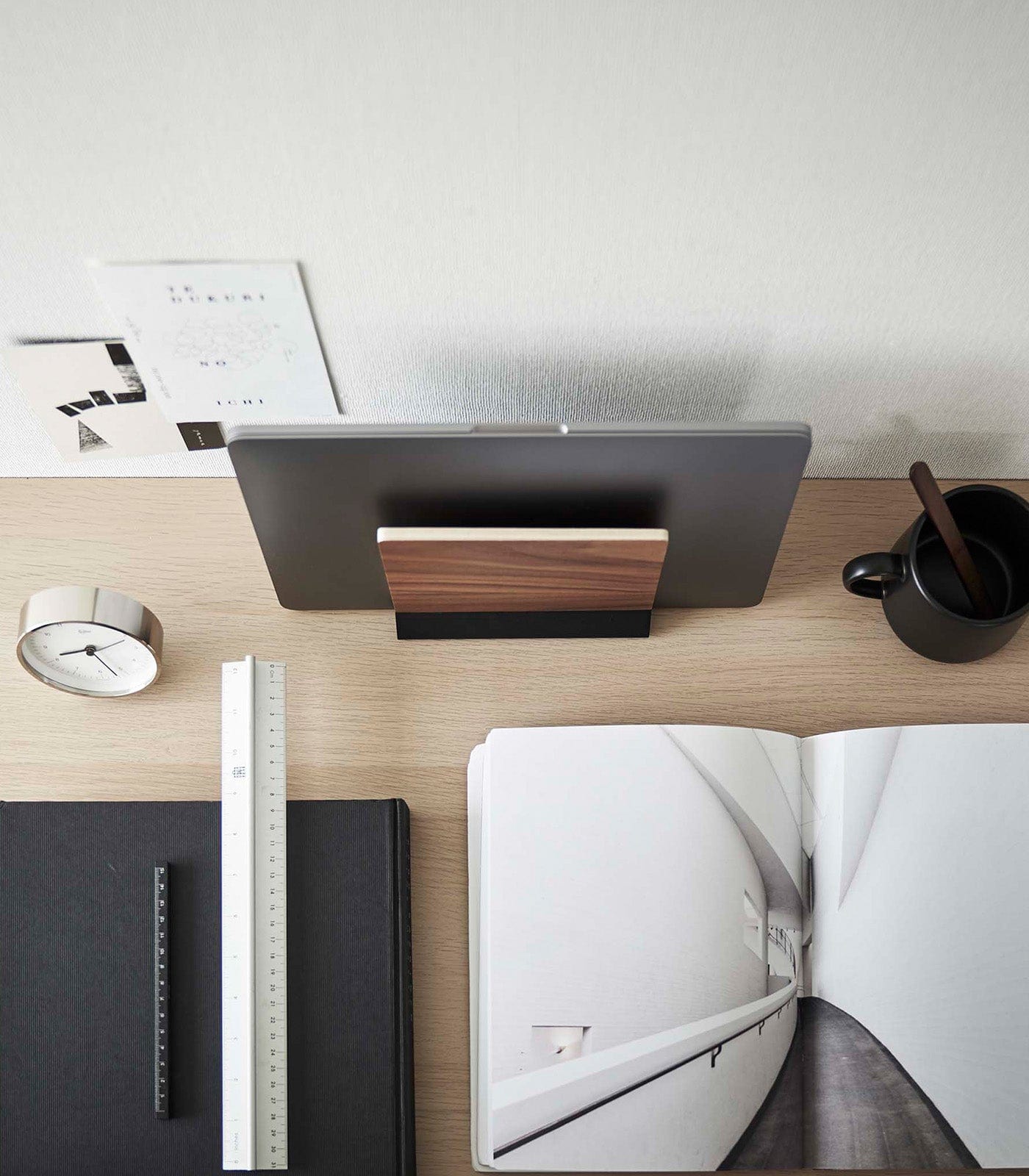
Desk Accessories
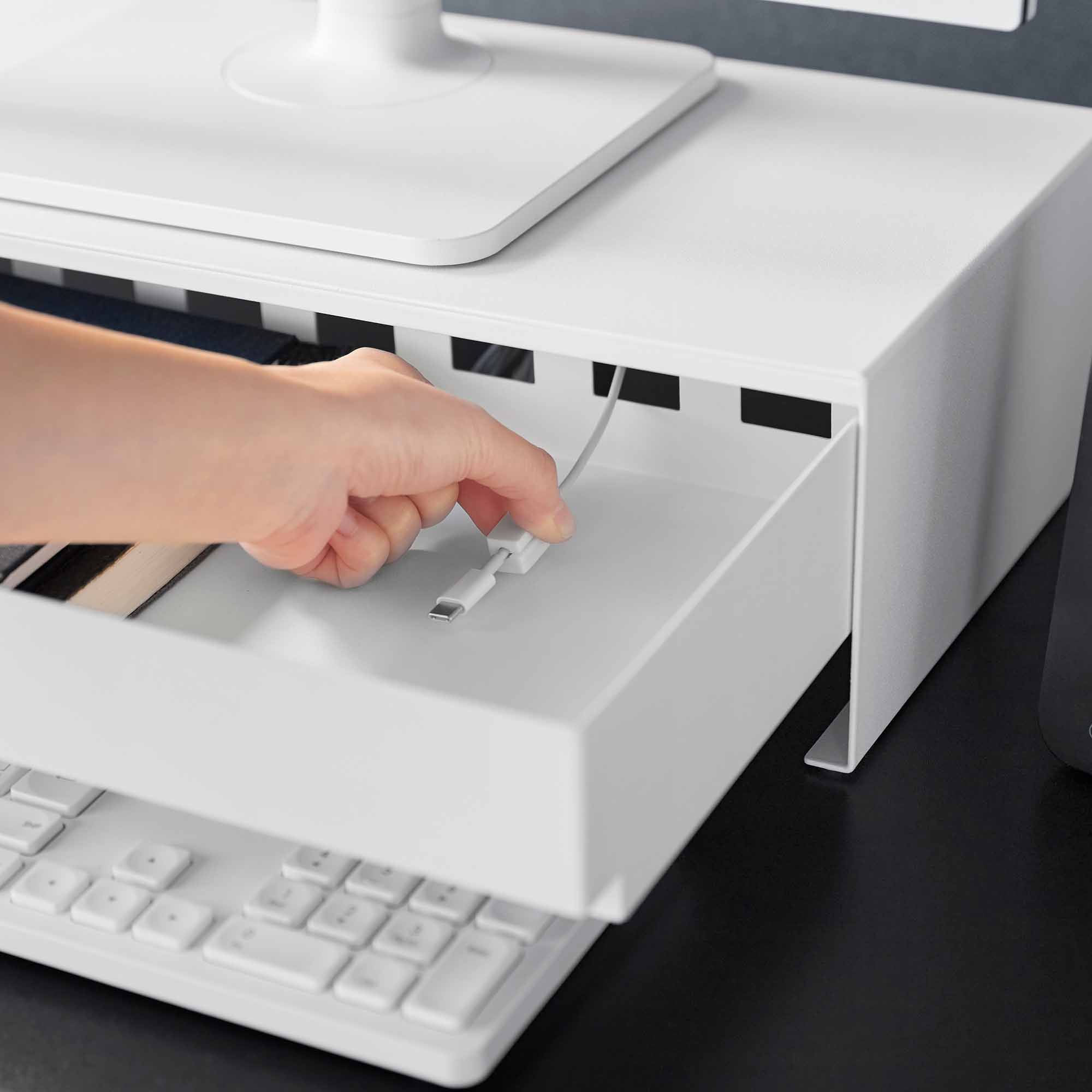
The right accessories don’t decorate your desk—they make your day smoother. Choose tools that reduce friction, hide chaos (cables, paper piles), and support repeatable habits. Yamazaki-style solutions shine here: functional, minimal, quietly beautiful.
What to look for:
- Cable control and charging organization
- Paper + mail containment (inbox/outbox)
- Small-item homes: pens, keys, tools, essentials
- Vertical organizers that free up surface area
- Pieces that simplify your routine, not add more stuff
Japandi approach:
If it doesn’t reduce friction, it’s not essential.
Office Accessories for a Clear Mind
Small Details, Better Focus

Start with the foundation
Flooring
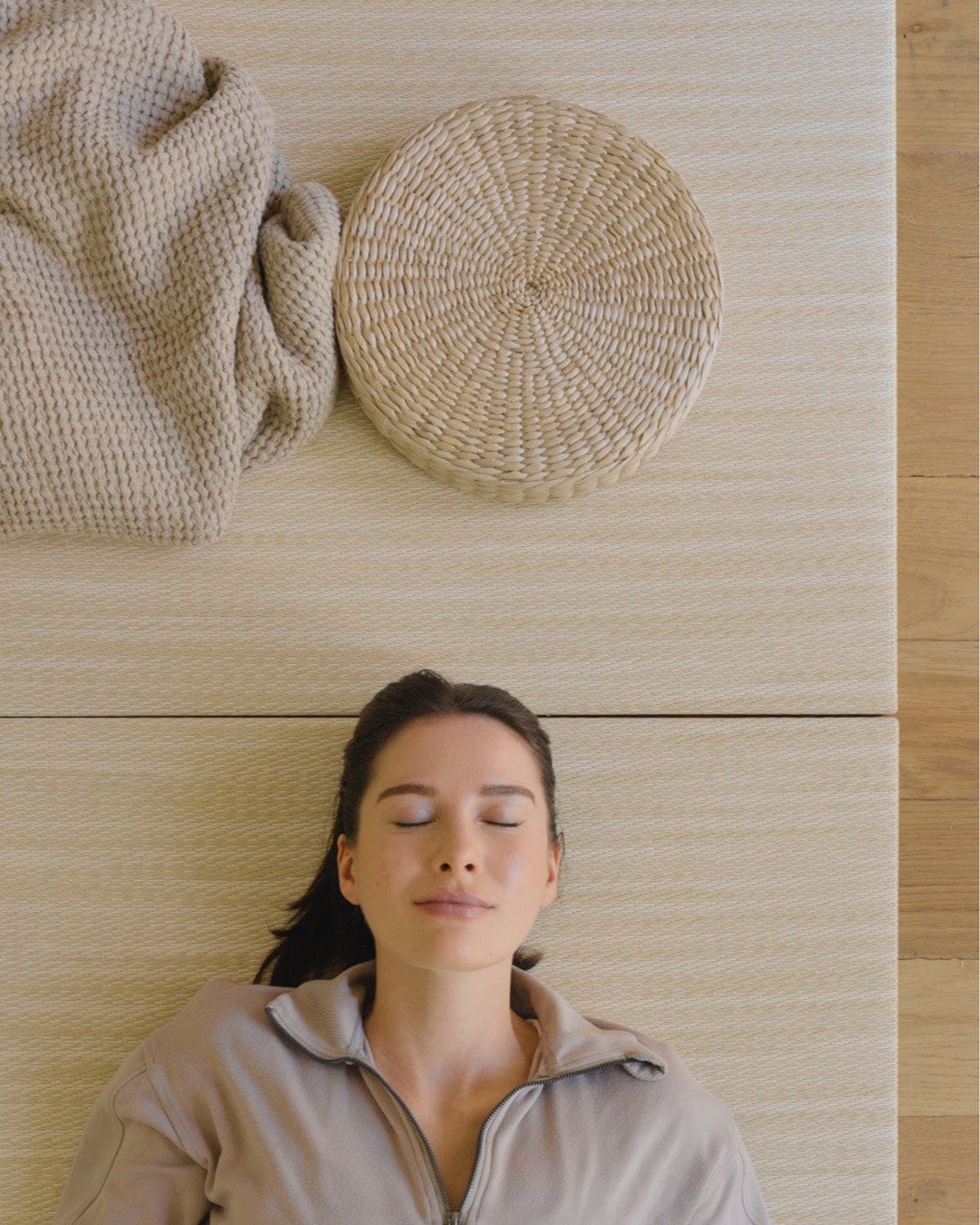
Flooring sets the emotional tone of the room. Natural fibers and grounded textures soften sound, add warmth underfoot, and anchor everything above. This is where calm begins.
What to look for:
- Natural fibers or woven textures that add quiet warmth
- Low-contrast patterns that ground the space without distraction
- Materials that soften acoustics and reduce visual noise
- Tones that complement wood furniture rather than compete with it
Japandi approach:
Let the floor recede into calm support, not visual focus.
Ground Your Workspace
Shop Tatami Mat Flooring
Tatami mats are modular floor units—just place them down like a rug. No installation, no commitment.
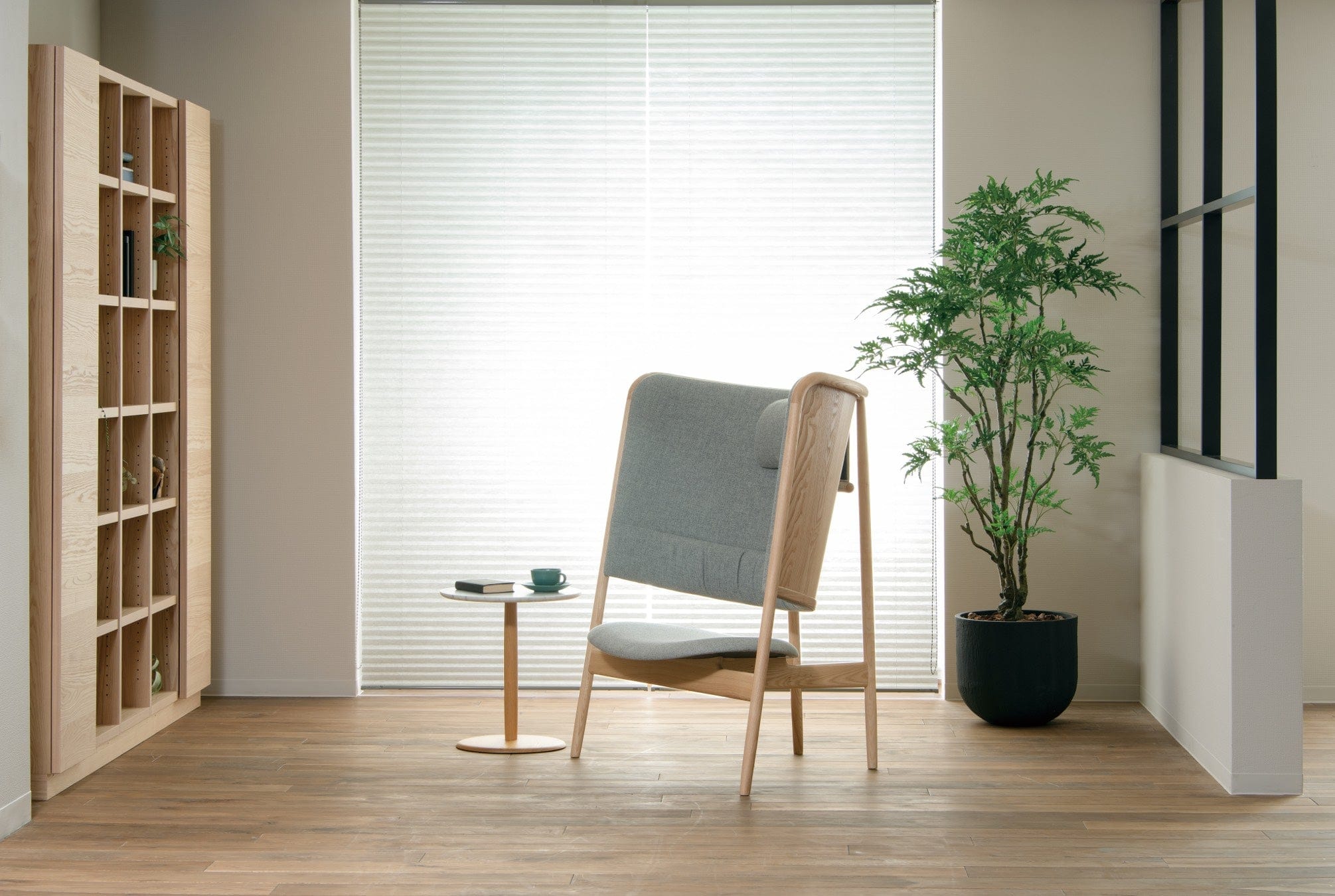
Office Seating
Office seating shapes how you feel and how long you can stay grounded. Choose pieces that support posture, feel good for long sessions, and keep the room visually quiet—whether you’re outfitting a home office, studio, or client-facing space.
What to look for:
- Supportive seating built for daily use (not just looks)
- Clean silhouettes that reduce visual noise
- Upholstery and materials that age well over time
- Seating types matched to function: desk, guest, perch, counter-height
- Comfort that doesn’t feel bulky or overstuffed
Japandi approach:
Choose fewer, better seats—and let the room stay open.

Desks + Work Tables
Your desk is the working surface your day revolves around. Look for proportions that fit your workflow, materials that feel steady and natural, and a footprint that keeps the room breathable. Work tables are ideal when you need more surface area—or a softer “studio” feel.
Shown: Ojai Vanity Desk with Marble Top
What to look for:
- Surfaces that feel grounded, not visually heavy
- Enough space for your workflow (and a little margin)
- Materials that stay calm under daily wear
- Legroom and ergonomics that support long focus sessions
- Table-style options for flexible, multi-use workspaces
Japandi approach:
Let your desk be a tool—not a clutter magnet.
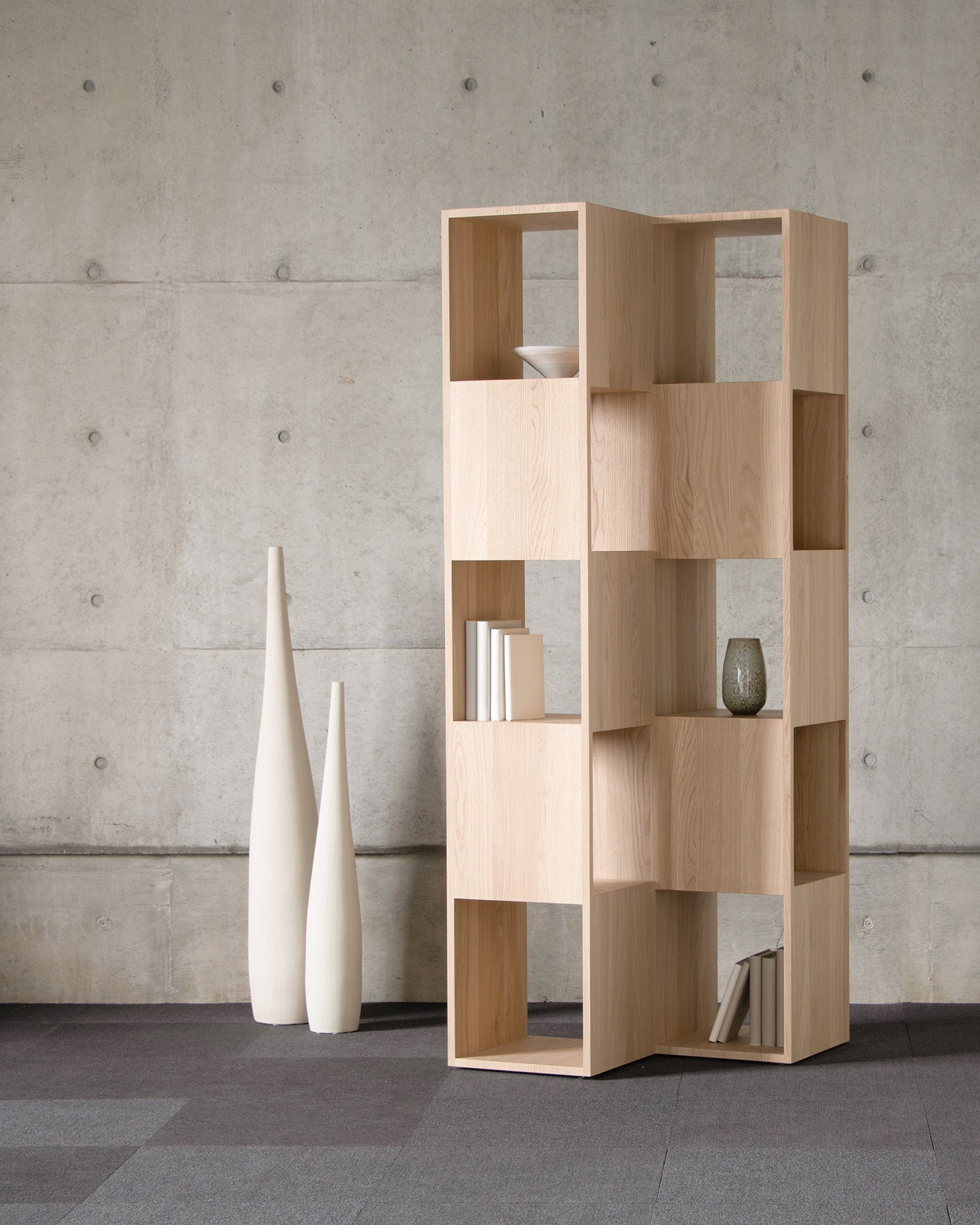
Storage + Shelving
Storage isn’t an afterthought in a Japandi office—it’s how calm stays intact. Use shelving and cabinets to keep necessities accessible, and hide what doesn’t need to be seen. The goal is simple: less visual clutter, more mental room.
Shown: FOLD Shelving by CondeHouse
What to look for:
- Closed storage to reduce visual noise
- Simple shelving for a few intentional objects + daily tools
- Pieces that support “everything has a home” habits
- Flexible storage that can evolve with your work
- A balance of open + closed so the room doesn’t feel sterile
Japandi approach:
Organize to protect your attention.
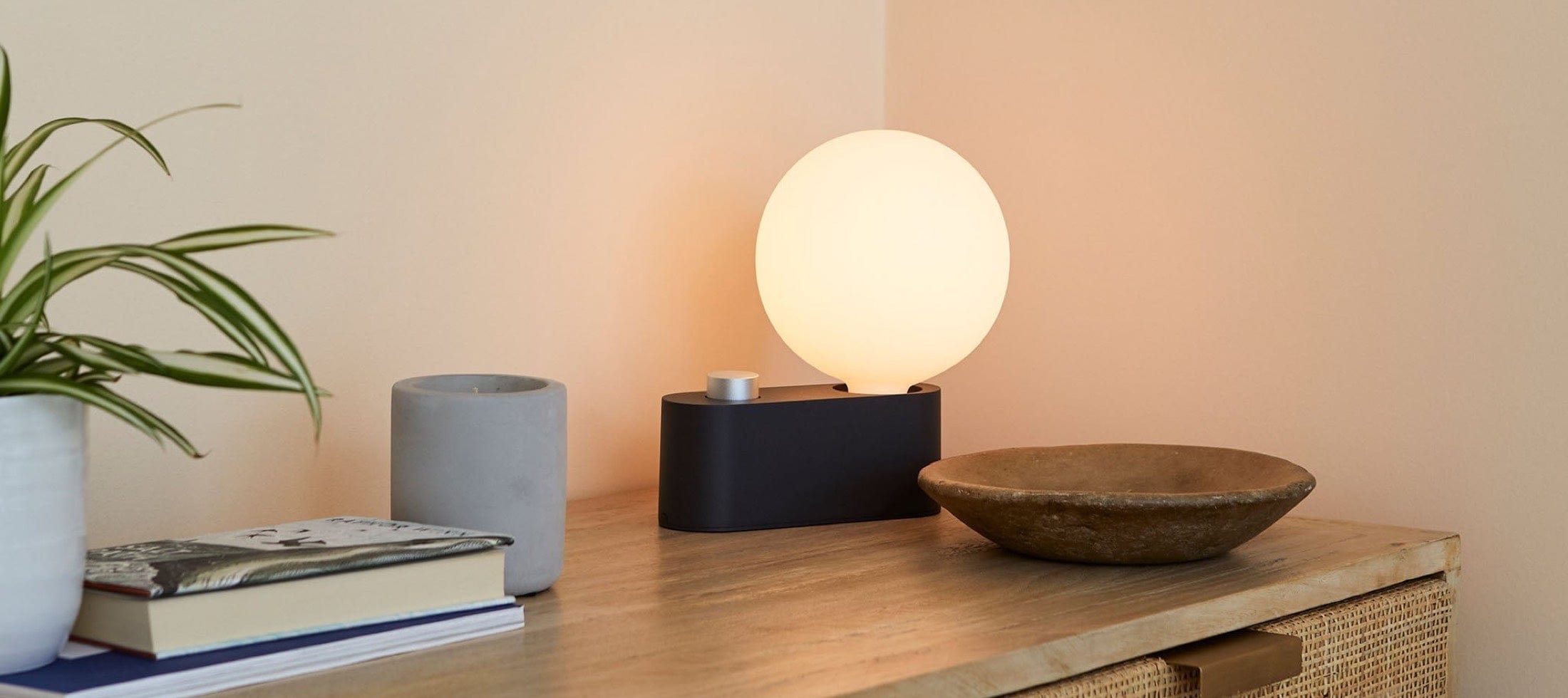
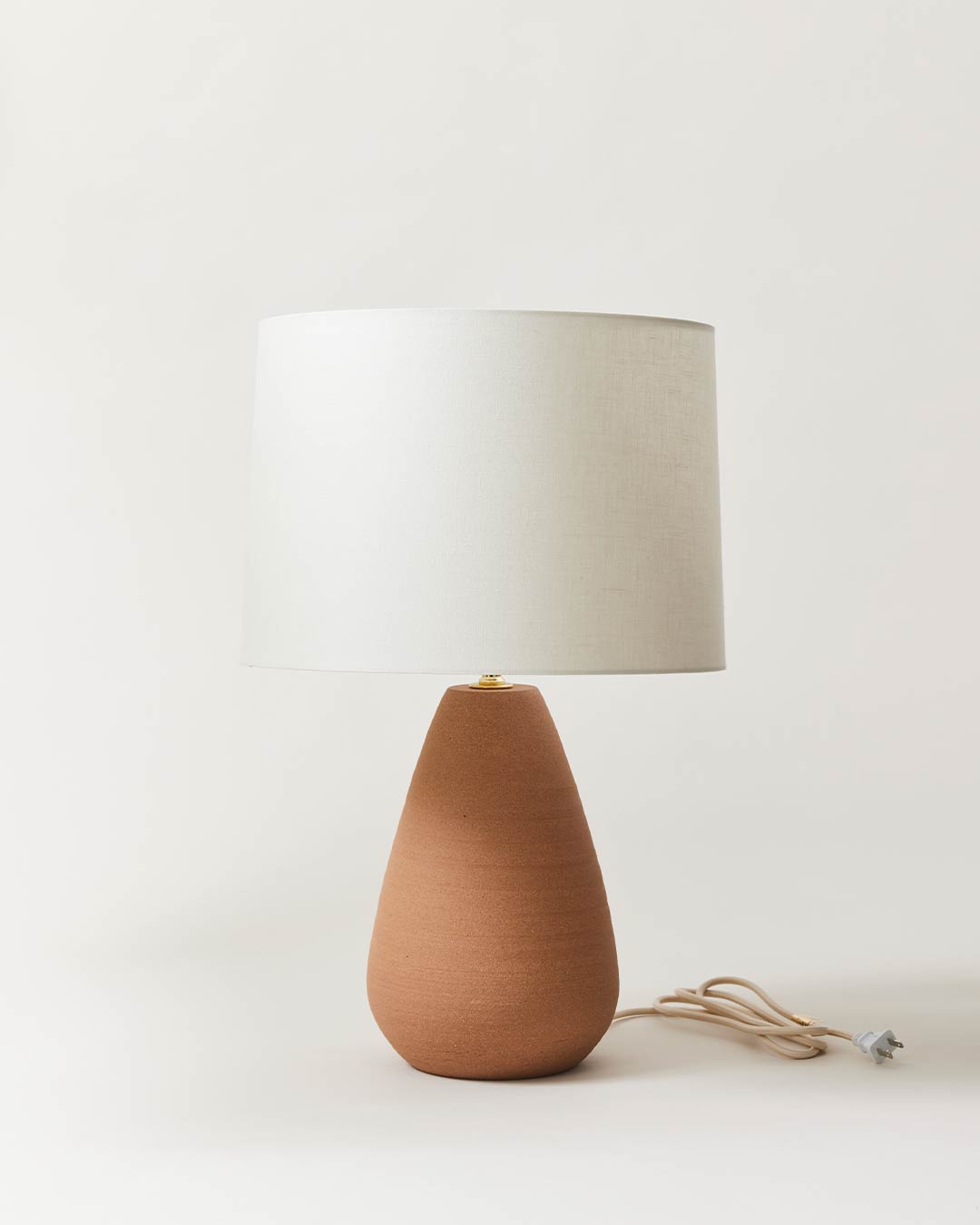
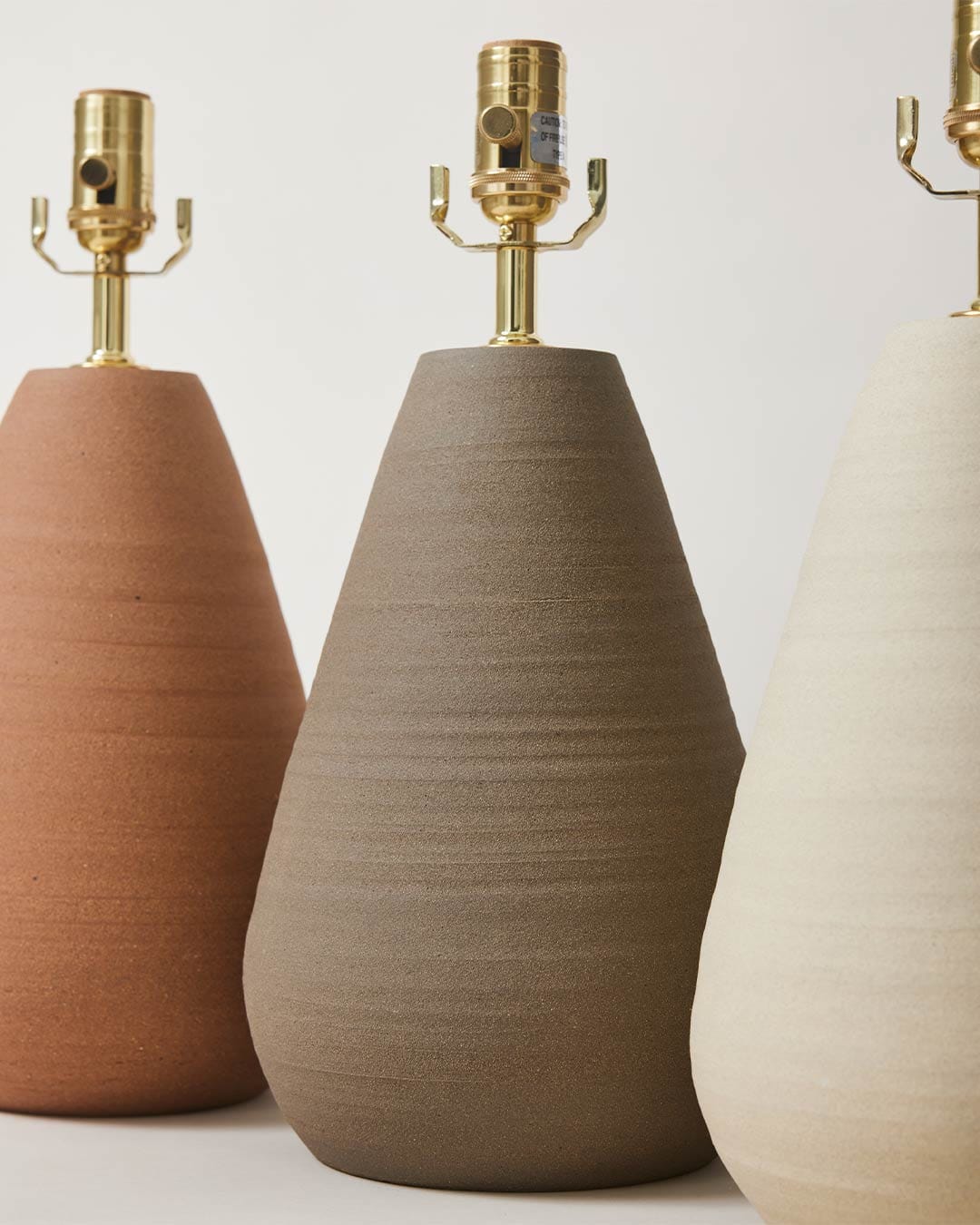
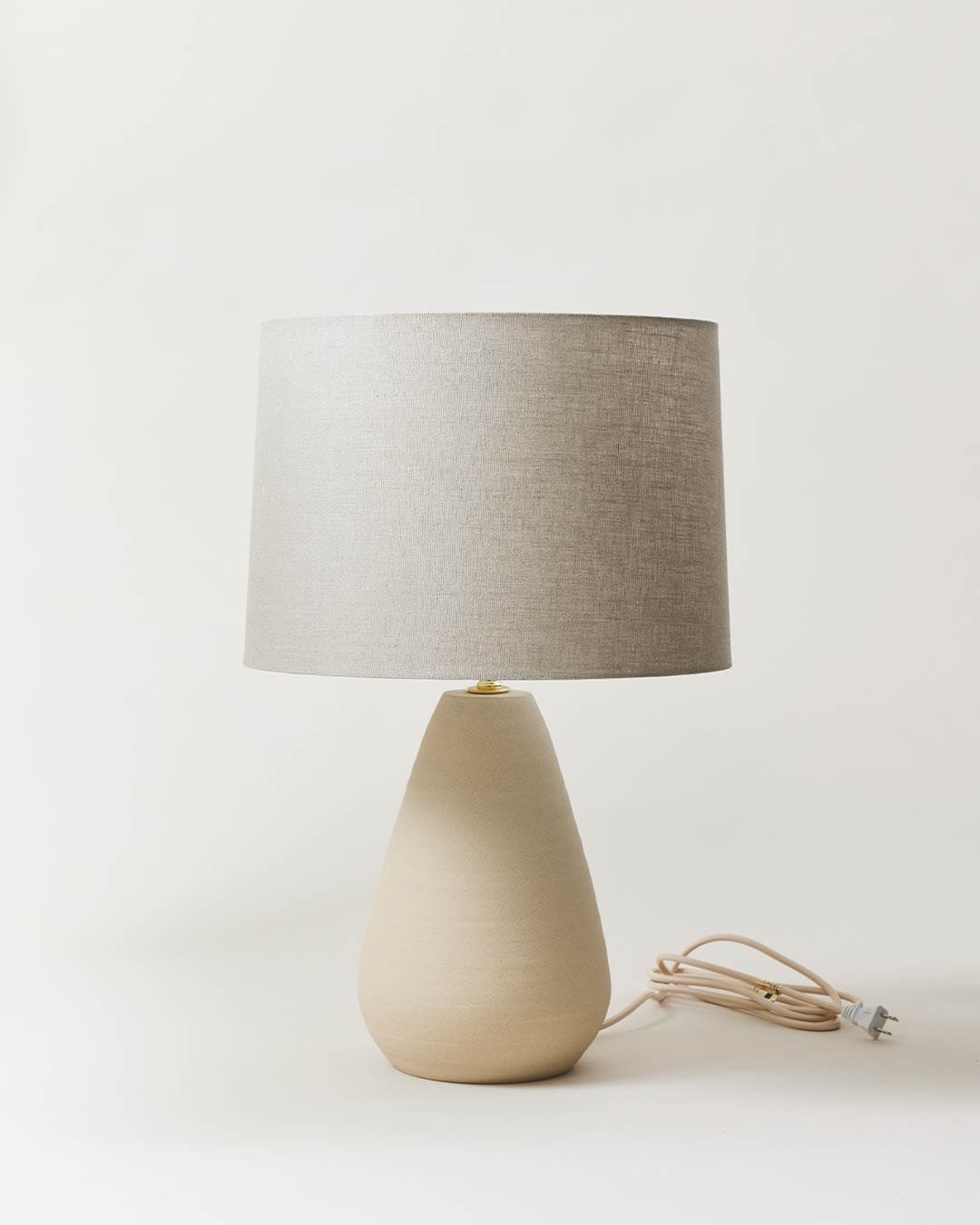
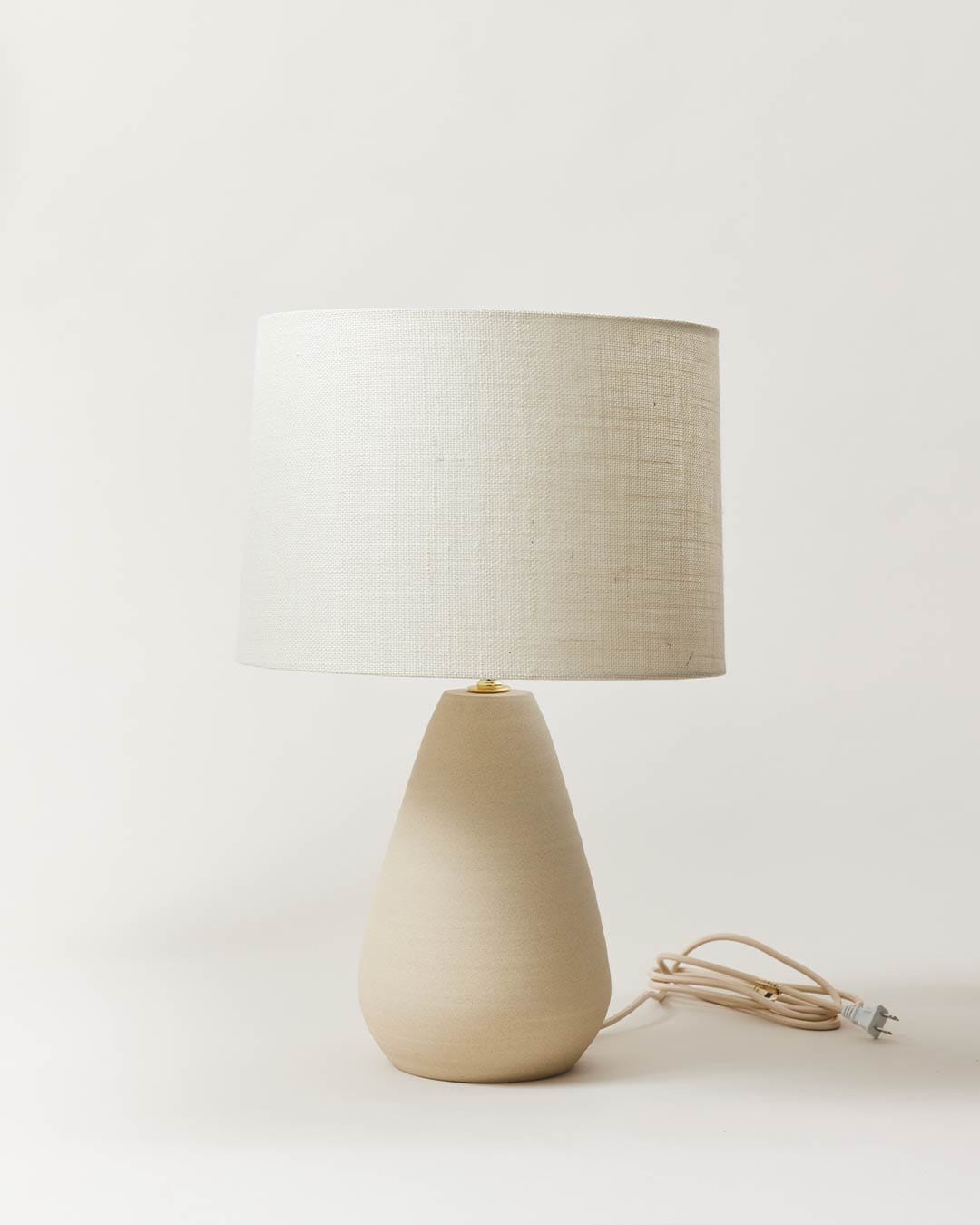
Shop Office Lighting
Explore by Room
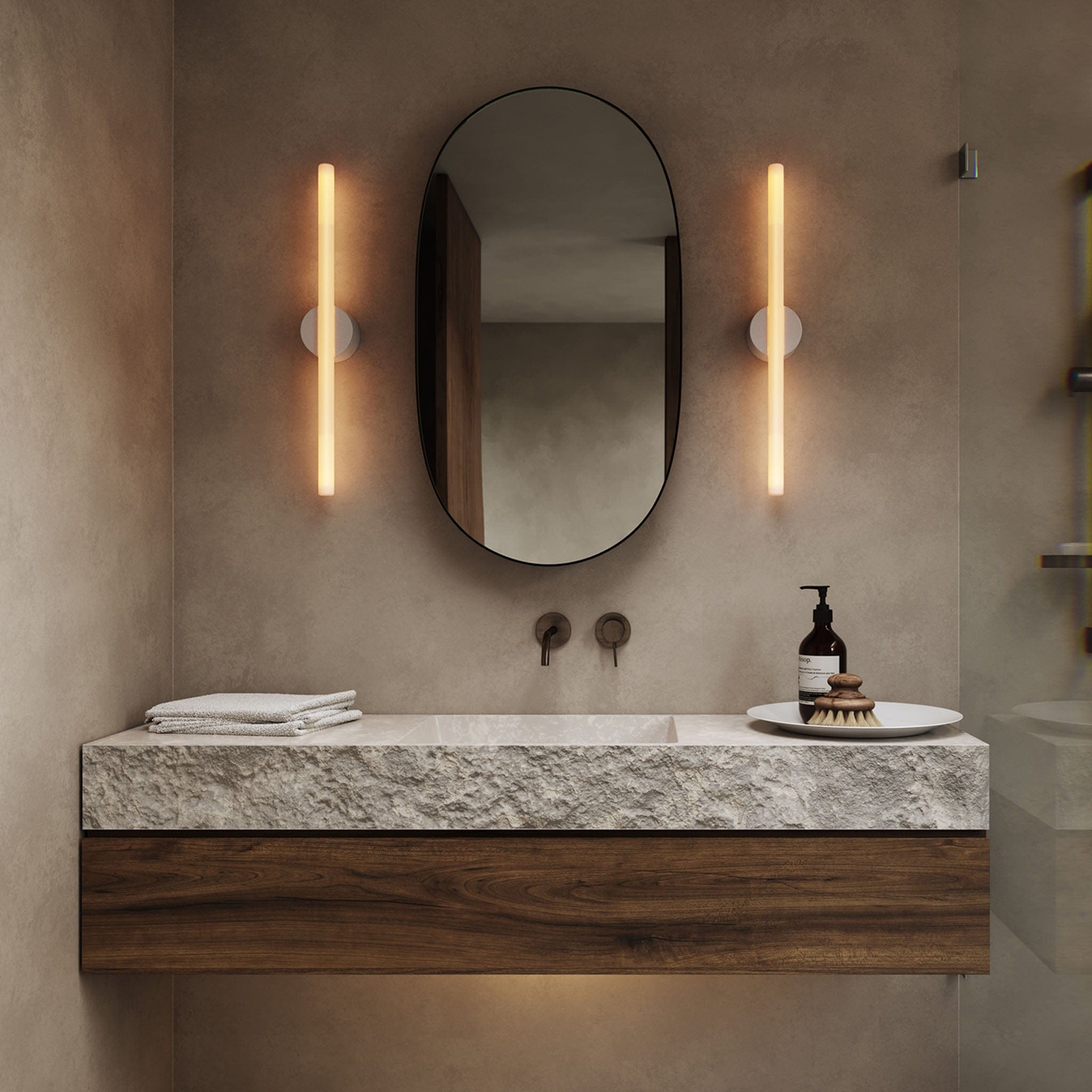
Bathroom
Dining Room
Living Room